| Type | New hospital construction |
| Builder | AZ Groeninge |
| Location | MSF Campus Kennedylaan in Kortijk |
| Architect | T.V. B&E - Osar architects |
| Surface area above ground | 78.000 m² |
| Study Office Stability | Engineering firm Jan Van Aelst |
Second construction step General Hospital with optimized construction process
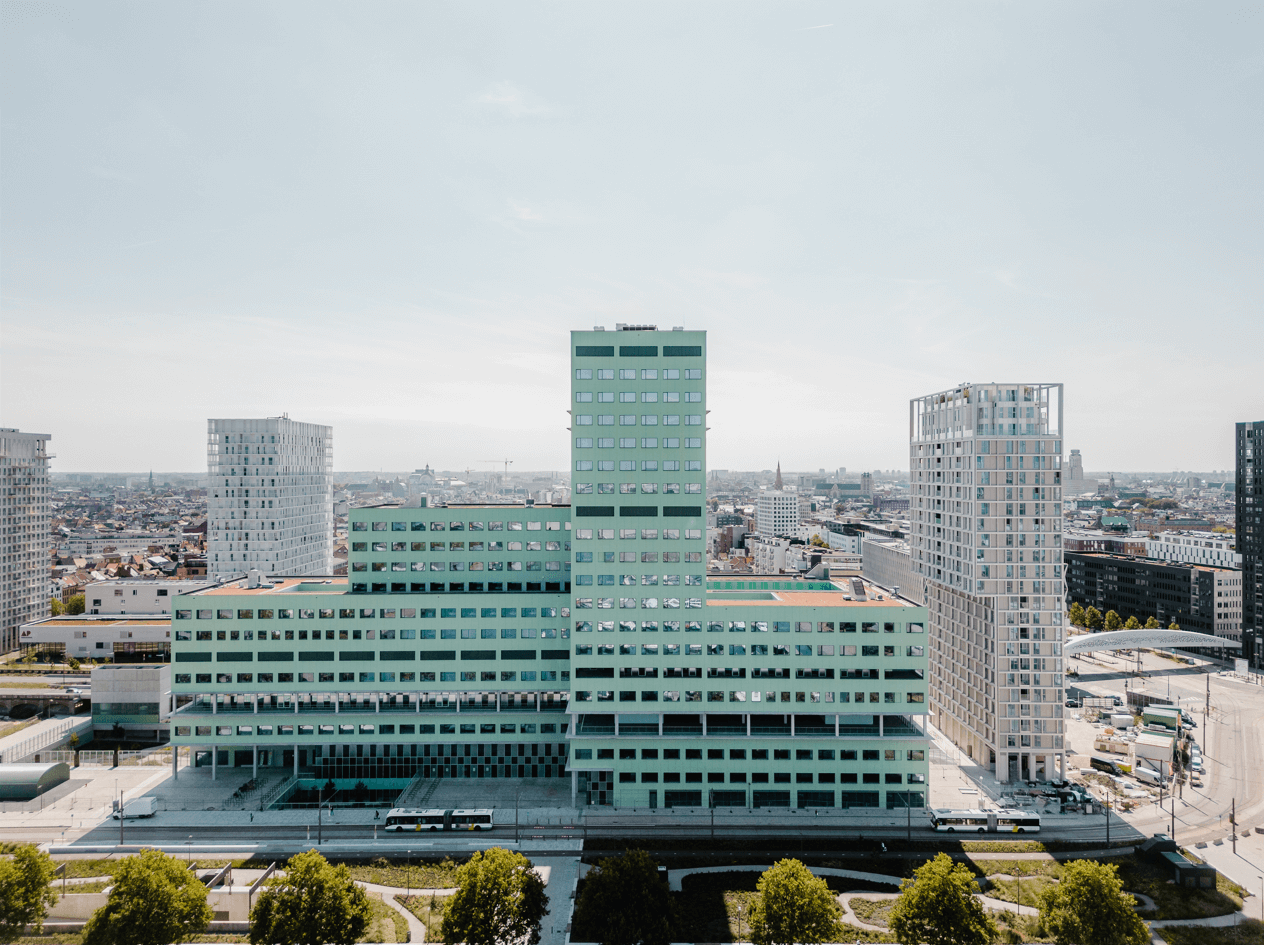
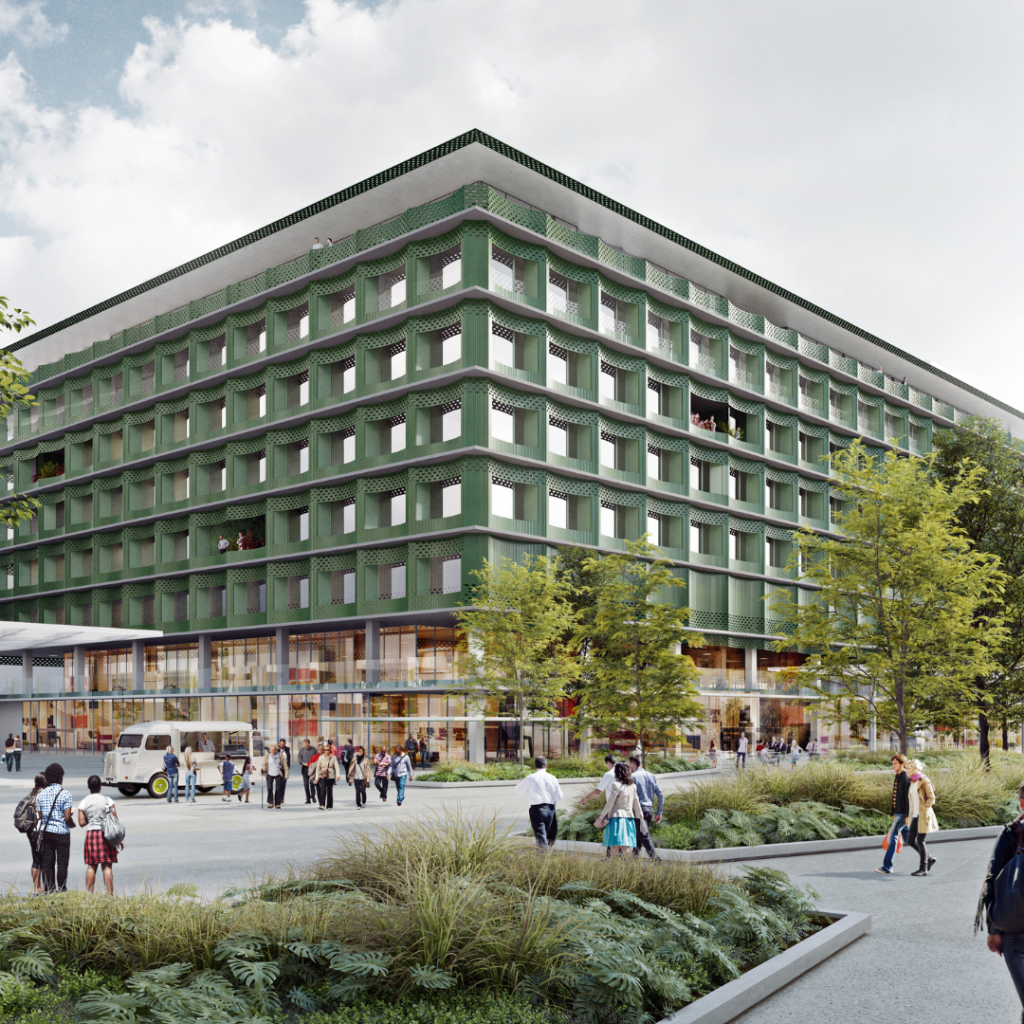
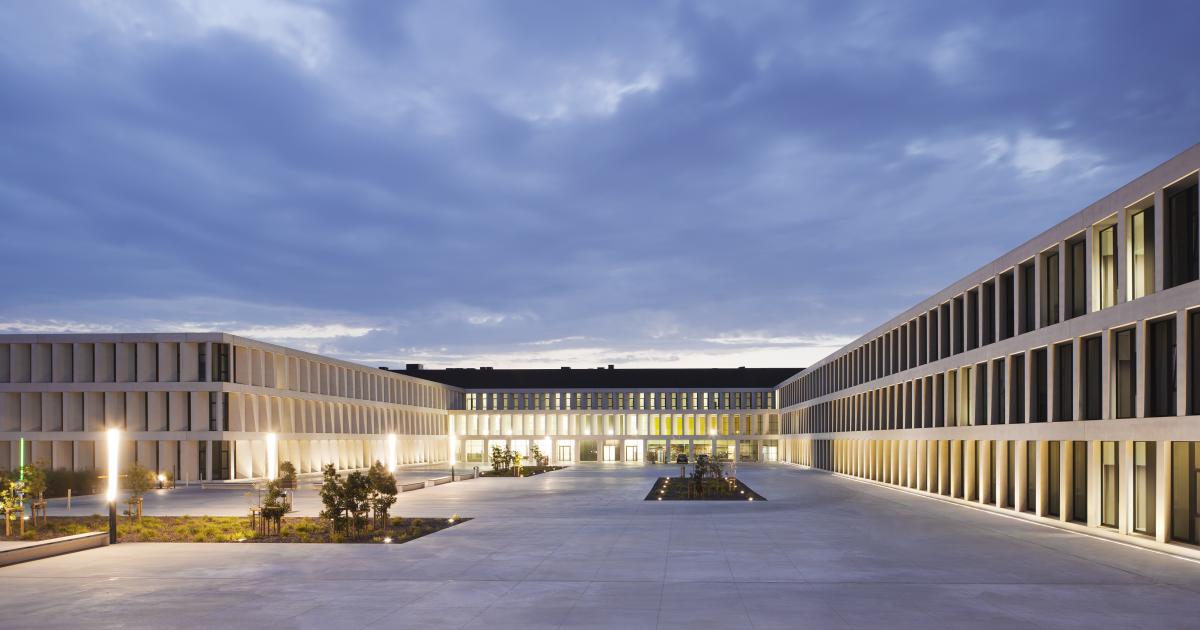
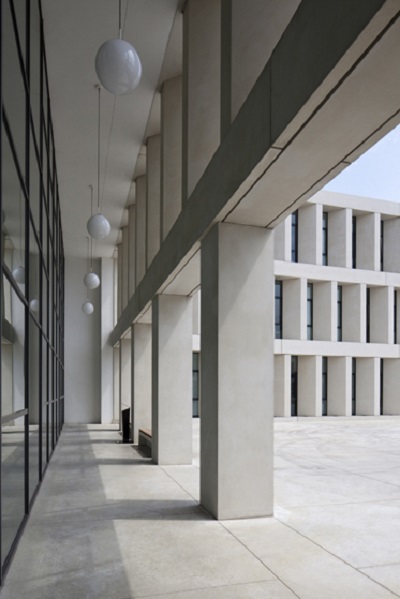
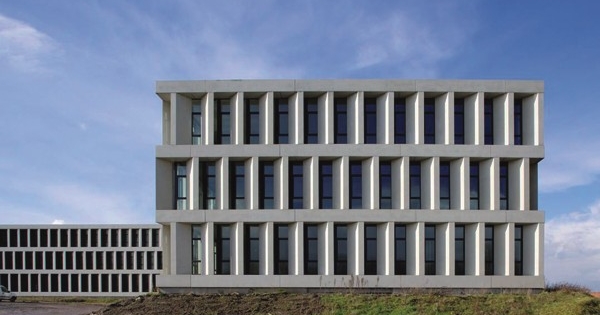
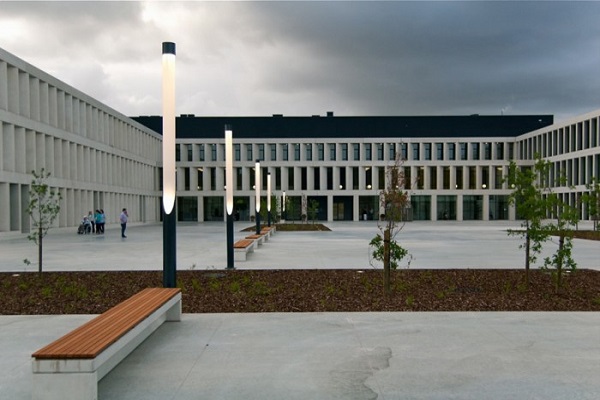
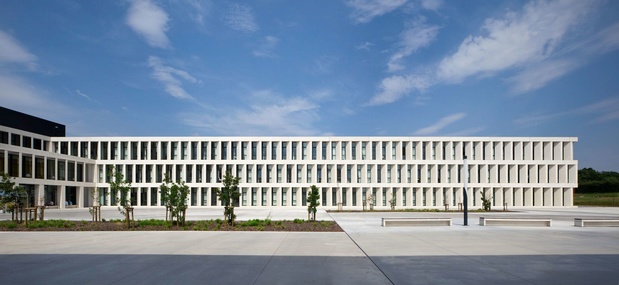
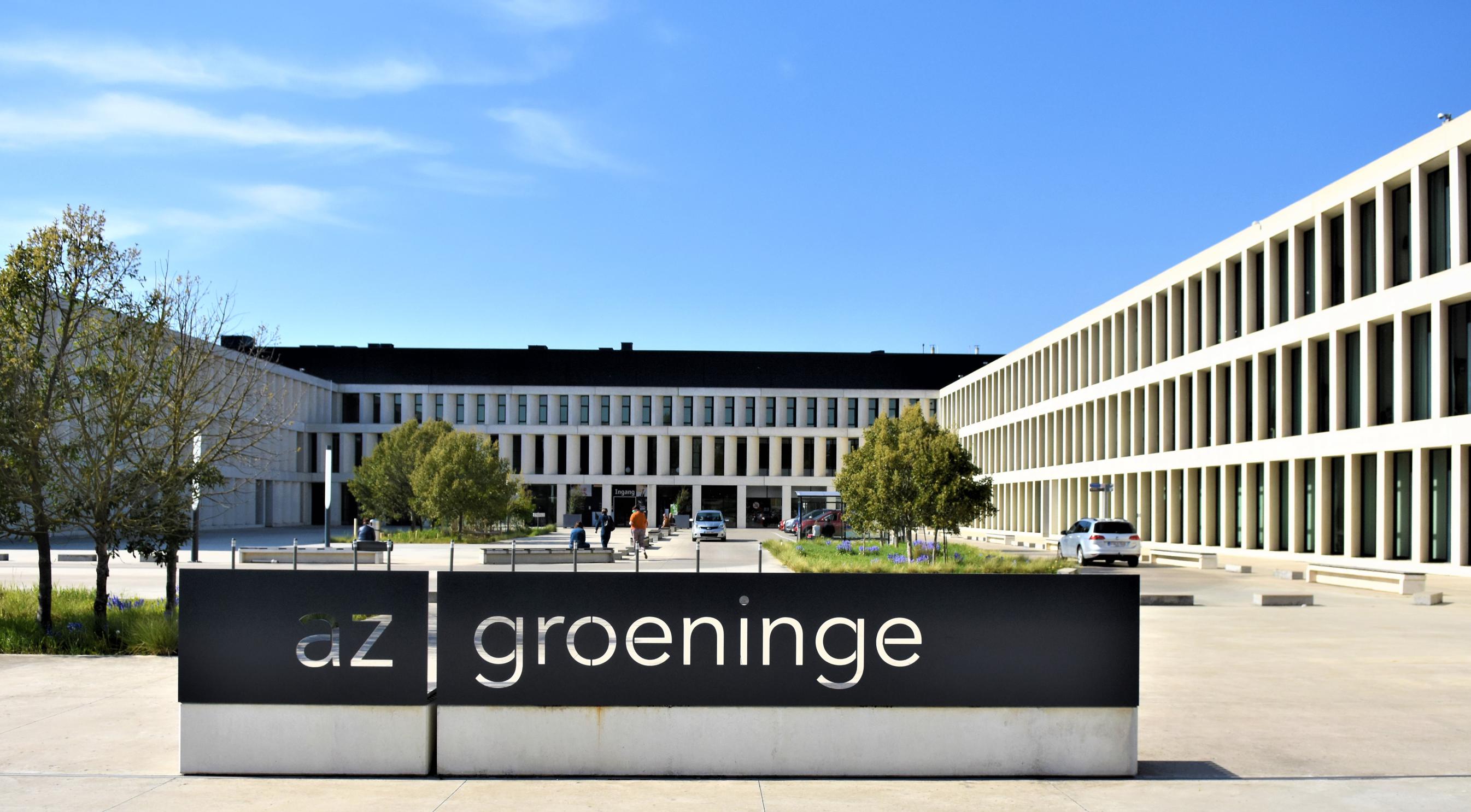
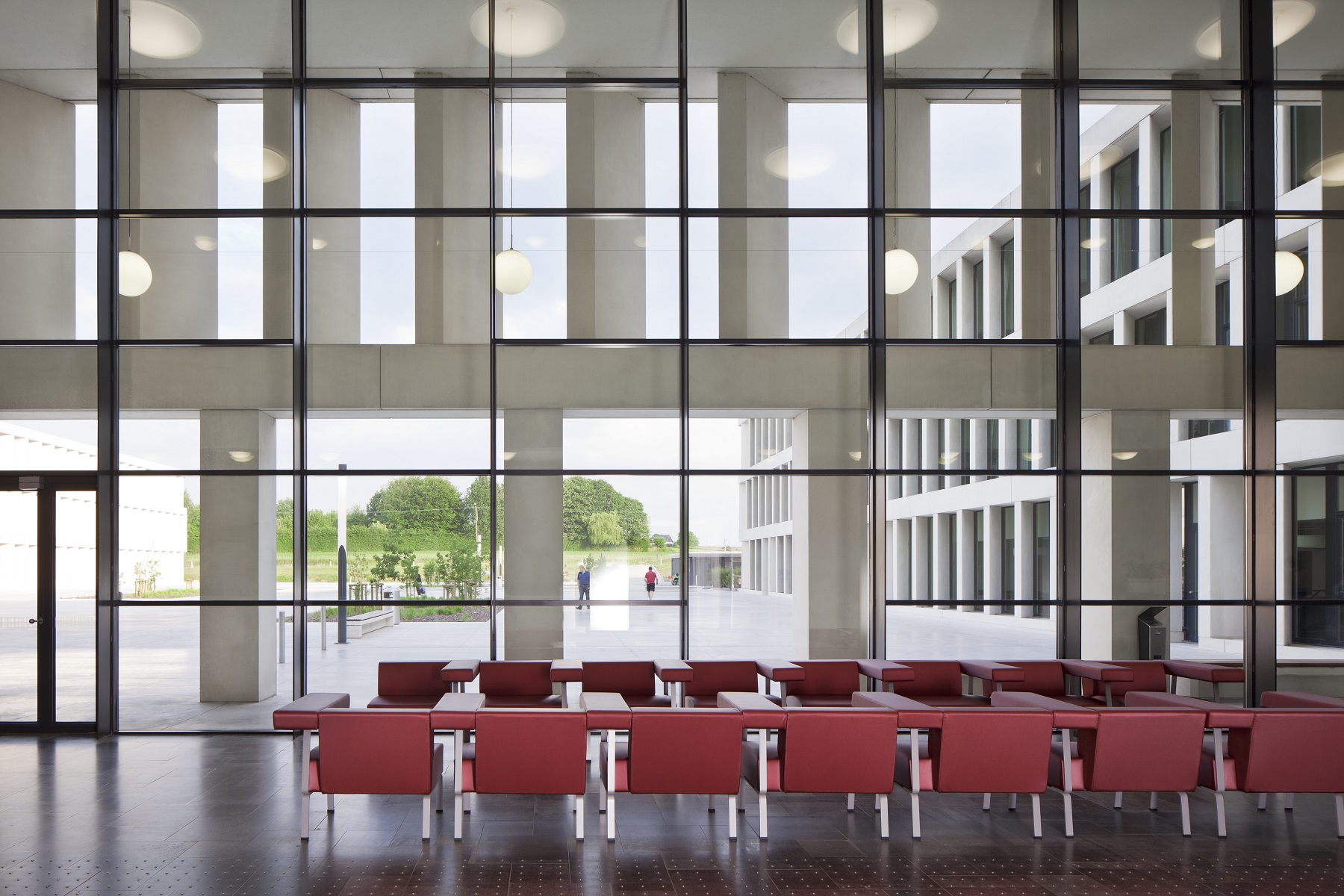
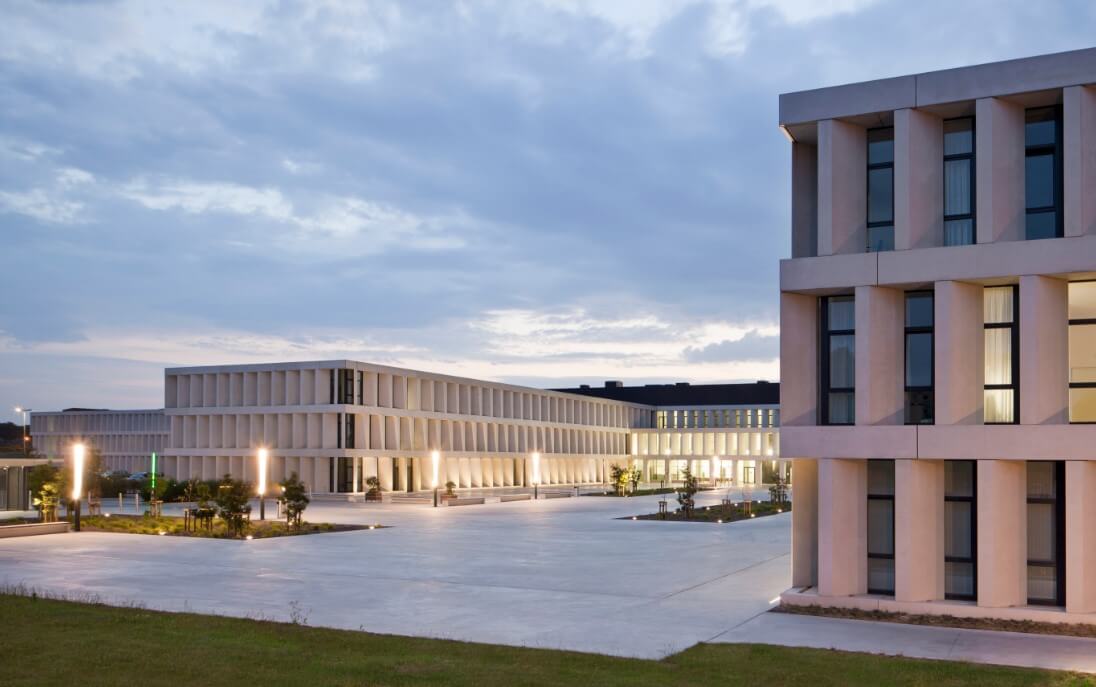
At the start of the project, the first phase of the realization of the AZ Groeninge Hospital - Campus Groeninge had been completed and the first part of the hospital complex was operational. The second phase of the realization of the hospital complex involved the realization of a New Building Hospital, Building Step 2 with an area of approximately 78,000 m2.
BAM Contractors, in THV with Jan De Nul, was responsible for the realization of the works associated with the closed shell construction including the earthworks, structural works, external joinery, roof works and sewerage for the realization of the New Building Hospital (Project Phase 1).
The New Building Hospital, Building Step 2 was built next to and adjacent to the already realized and operational part of the hospital (Building Step 1) on the same campus and will be connected to it. In the process, local structural interventions in the already realized and operational part of the hospital were also carried out.
On 01/09/2014, BAM Contractors nv, also in THV with J. De Nul - EEG and Spie, started the execution of the finishes and special techniques (Project Phase 2). These works were completed in October 2016.
Work began in June 2012 with the installation of 2,200 soil displacement screw piles. Subsequently, 15,000 m³ of earthmoving had to be carried out. The structural works could already be started in September 2012. From the outset, much attention was paid to optimizing the construction process. The cycle of pouring floors and walls, and placing the facade elements is repeated 64 times. Optimization of the process was found, among other things, by using the maturity computer. This made it possible to determine exactly when the concrete was sufficiently cured for re-tensioning and demoulding. In order to limit the execution time, the installation of the exterior joinery was already started during the structural work. The installation of roof seals was seamlessly connected to the realization of the structural works.
The thorough preparation together with the continuous follow-up and optimization of the construction process meant that the proposed execution time of 1,200 calendar days could be reduced to 550 calendar days.
This reference demonstrates our competence with a large and complex building on a site that had to remain permanently accessible and operational. This required a great deal of ingenious planning and flexibility. The logistical inventiveness of the team and the organization of site traffic were the key to a successful site.
From the beginning of the tendering phase, BAM Contractors has paid very close attention to minimizing disruption. Minimizing disruption was therefore an absolute priority. Less disruption was considered a critical success factor in order to realize the project to everyone's satisfaction.
Carrying out construction work on an operational hospital requires a very specific approach. The hospital had to remain operational at all times and therefore disruption had to be kept to a minimum. Because it was impossible to carry out these complex works completely disruption-free, the works had to be monitored and clearly communicated near and within the operational hospital.
A lot of less nuisance measures were worked out and implemented:
- Especially for this project, temporary ramps and exits have been constructed from the E17, so that the surrounding area is not affected by the construction traffic.
- Access to the parking lot and the hospital was always possible according to a predetermined site plan. A daily check of the circulation paths led to orderly and tidy passageways so that tripping and falling hazards were avoided.
- Execution time was reduced to a minimum by optimizing execution methods.
- Noise pollution was reduced by initially choosing low-noise execution techniques. The use of screw piles was an example of this. In addition, every subcontractor was reminded that noise pollution had to be reduced to an absolute minimum. When noise-producing activities were being carried out, consultation was always held with the departments involved to make arrangements regarding working hours and mitigation measures.
- We worked while maintaining the number of original parking spaces.
In 2015, we additionally started Project Phase 3: the construction of a new parking building and the partial relocation of a neighborhood road. This involves the realization of a parking building with an area of approximately 50,000m², which will accommodate approximately 1,800 cars, including the pilot contracting:
- Closed structural work: earthworks, structural work, joinery, roofing work, sewerage work
- Techniques: HVAC, RWA, plumbing, electrical, security
- Finish
- Pilot hiring for the entire assignment